Functional surgery of the eyelids and lacrimal pathway
Oculoplastic surgery addresses the structures that protect the eye: the eyelids, orbit and lacrimal pathway. The surgical indication is based on functional criteria — corneal protection, visual field and adequate tear drainage.

Clinical explanation
Ptosis of the eyelid can reduce the superior visual field. Evaluation includes objective measurements of palpebral aperture and levator muscle function.
Positional changes such as ectropion and entropion expose or traumatize the ocular surface and can lead to keratopathy if left uncorrected.
Lacrimal duct obstruction presents with persistent tearing and a risk of infection; study of the lacrimal pathway defines the level of obstruction and the indicated technique.
Clinical timeline
Stages of care
- 01
Functional evaluation
Eyelid measurements, superior visual field testing when indicated, and examination of the ocular surface.
- 02
Complementary study
Standardized photographic documentation and, in lacrimal cases, assessment of drainage.
- 03
Surgical planning
Choice of technique according to the identified mechanism, with a functional goal defined in advance.
- 04
Healing and follow-up
Scheduled re-evaluations to monitor eyelid position and corneal protection.
Diagnostic imaging
Imaging documentation
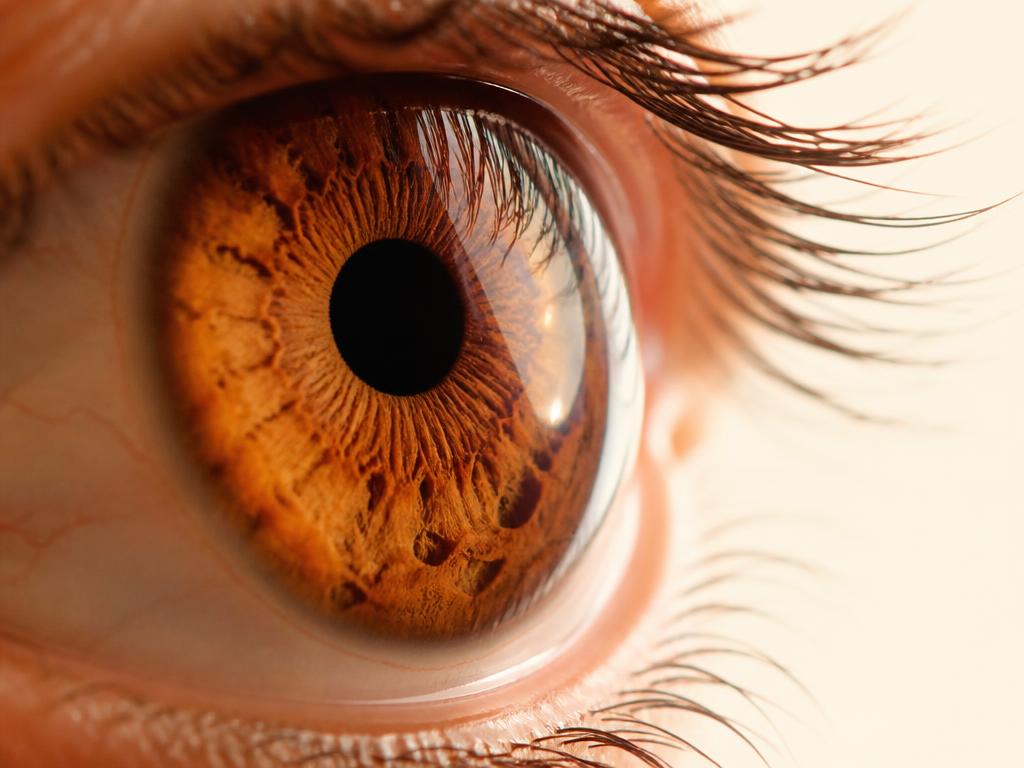
Corneal imaging Assessment of the anterior segment by topography, tomography and specular microscopy, as clinically indicated.
Discussion
Aesthetic results may occur as a consequence of functional correction, but they do not replace the documented clinical indication.
Residual asymmetry is a recognized possibility and should be disclosed before the procedure.
Expected outcome
The goal is to restore the protective function of the eyelids and adequate lacrimal drainage. The healing response is individual and may require adjustments.
Related cases
- Retina
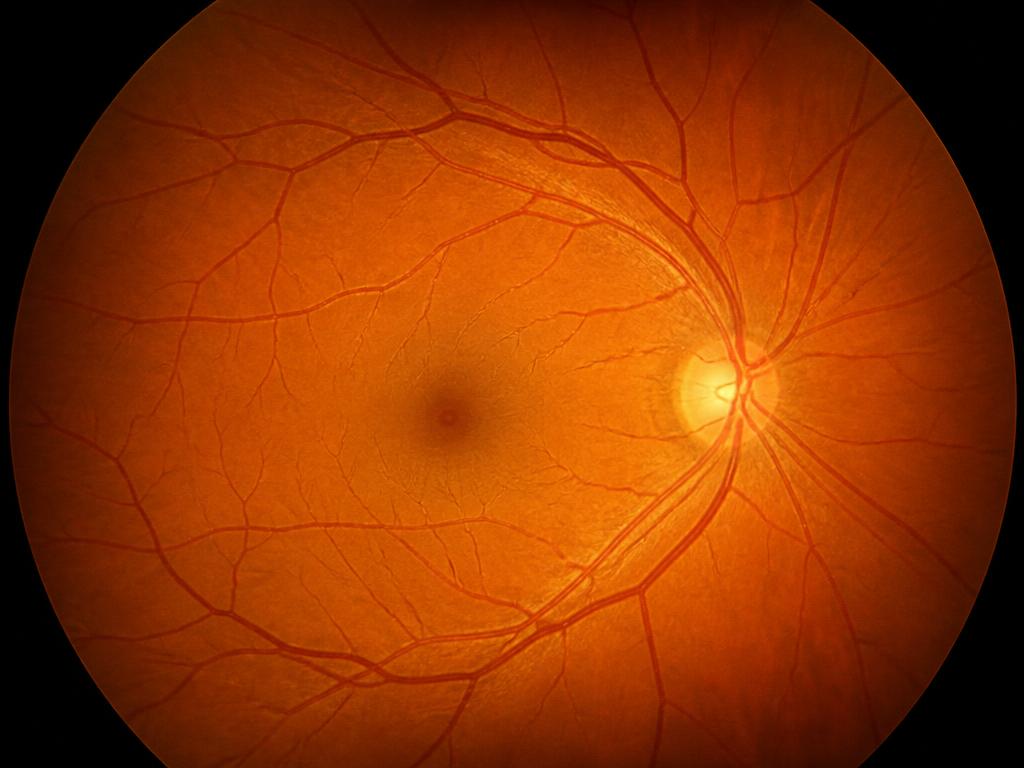
Surgical treatment of retinal detachment
An educational overview of the urgent evaluation, the available surgical techniques and postoperative follow-up.
Read the case - Cataract

A modern approach to cataract surgery
How biometry, intraocular lens calculation and phacoemulsification structure contemporary surgical planning.
Read the case - Refractive Surgery

Personalized correction for myopia and astigmatism
Eligibility criteria, corneal testing and the different strategies for correcting refractive error.
Read the case